What Is Childhood Wheezing?
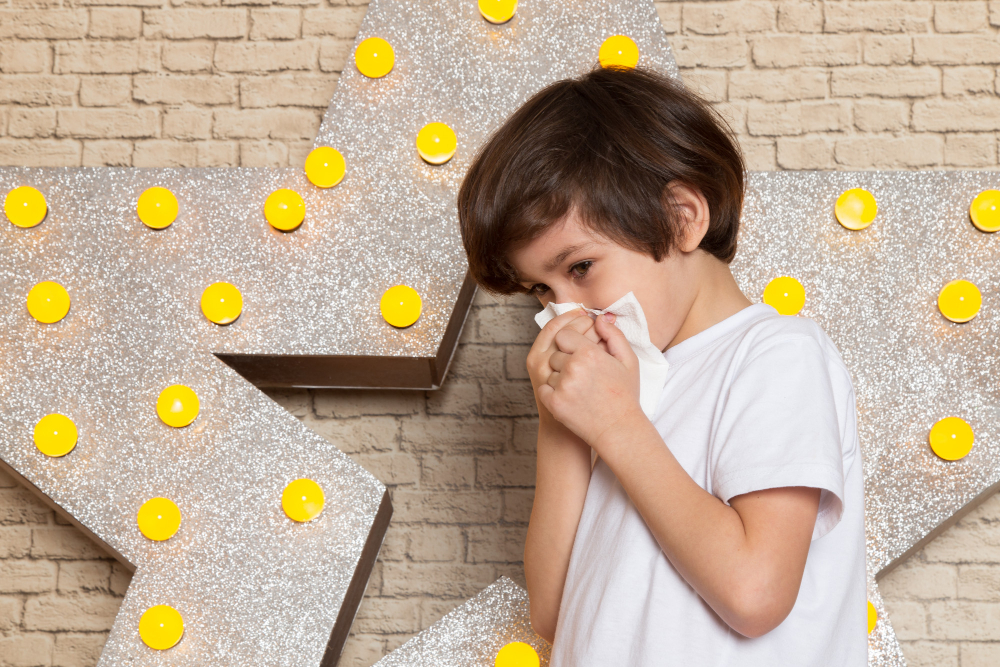
Childhood wheezing is a whistling or squeaky sound when a child breathes out. Often, it happens because the airways are tight or blocked. Many children in the United States experience wheezing at some point. For some, it is a one-time event. However, for others, it may come back with colds or allergies. According to the CDC, wheezing in children is a common reason for doctor visits. Sometimes, it can be a sign of asthma or another lung problem. Early signs of wheezing can be mild, but they may get worse if not treated.
Common Triggers of Childhood Wheezing
Many things can cause or trigger wheezing in children. Because triggers can vary, it helps to know what to watch for. For families in urban areas, air pollution can also play a role. Below are some common asthma triggers in kids:
Sometimes, more than one trigger can cause wheezing in children at the same time. If you notice patterns, keeping a diary may help find the cause.
Warning Signs to Watch For
Not all wheezing is serious, but some signs mean your child needs help right away. Because early signs of wheezing can be mild, it is important to stay alert. Watch for these warning signs:
If you see any of these signs, seek medical care right away. Quick action can prevent serious problems.
How Childhood Wheezing Is Diagnosed
Doctors use several steps to diagnose wheezing in children. First, they ask about your child’s symptoms and health history. Next, they listen to your child’s chest with a stethoscope. Sometimes, they may order tests to check lung function or look for infections. For example, a simple breathing test can show how well your child’s lungs work. In some cases, doctors may suggest allergy testing. Because wheezing can have many causes, a full checkup helps find the right answer. The CDC and WHO recommend early diagnosis for better care.
Effective Management Strategies
Managing wheezing at home can help your child feel better. However, always follow your doctor’s advice. Here are some helpful strategies:
Because every child is different, your doctor may suggest a special plan for your family. For families in the United States, many schools and daycares can help with medicine during the day.
Prevention Tips for Parents
Preventing wheezing in children is possible in many cases. While not all triggers can be avoided, these tips can lower the risk:
Because early action can make a big difference, staying informed helps keep your child healthy. The CDC and WHO both stress the importance of prevention and early care for childhood wheezing.