
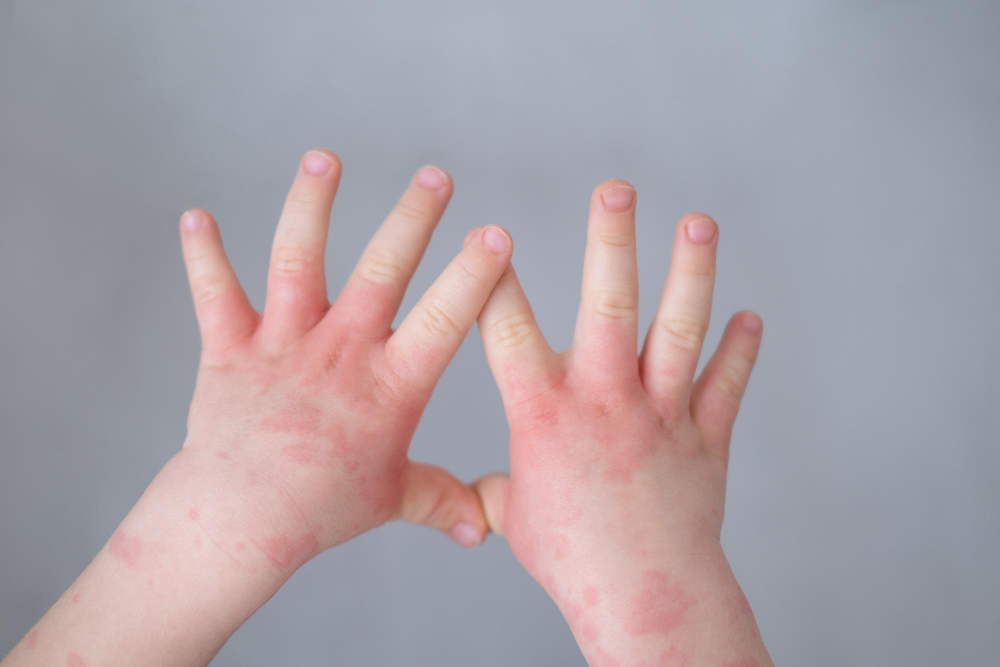
Hand, Foot and Mouth Disease in Children is a common illness that often affects young kids. Many parents worry when they see a rash or fever in their child. However, knowing the signs, causes, and ways to prevent this disease can help you feel more prepared. In this guide, you will learn about symptoms, diagnosis, and simple steps to protect your family. The information here is based on trusted sources like the CDC and WHO.
What is Hand, Foot and Mouth Disease in Children?
Hand, Foot and Mouth Disease in Children is a mild but contagious viral infection. Usually, it affects children under five years old, but older kids and adults can get it too. The illness is caused by several types of viruses, most often the coxsackievirus. Although the name sounds scary, most cases are not serious. Still, the disease spreads easily in places like daycare centers, schools, and playgrounds.
Common Symptoms
At first, symptoms of Hand, Foot and Mouth Disease in Children may look like a cold. Soon after, a rash and mouth sores appear. Because the signs can vary, it helps to know what to watch for. Common symptoms include:
Sometimes, children may not show all these symptoms. For example, some may only have a rash or mouth sores. Even so, the disease can still spread to others.
Causes and Risk Factors
Hand, Foot and Mouth Disease in Children is caused by viruses from the enterovirus group. Most often, coxsackievirus A16 is the main cause. However, other viruses can also lead to this illness. The disease spreads through close contact, such as:
Children under five are at higher risk because their immune systems are still developing. In addition, crowded places like preschools make it easier for the virus to spread. While older children and adults can get infected, their symptoms are usually milder.
How Hand, Foot and Mouth Disease is Diagnosed
Doctors usually diagnose Hand, Foot and Mouth Disease in Children by looking at the symptoms. Because the rash and mouth sores are unique, a physical exam is often enough. Sometimes, the doctor may ask about recent contact with sick children or outbreaks in your area. In rare cases, a doctor might take a throat swab or stool sample to confirm the virus. However, this is not needed for most children.
Treatment Options
There is no specific cure for Hand, Foot and Mouth Disease in Children. Instead, treatment focuses on easing symptoms and keeping your child comfortable. Most children recover on their own within 7 to 10 days. Doctors may suggest:
Although most cases are mild, you should call your doctor if your child cannot drink, has a high fever, or seems very weak.
Home Care and Lifestyle Tips
At home, you can help your child feel better with a few simple steps. First, encourage rest and offer cool drinks to soothe mouth pain. Next, avoid citrus juices or spicy foods, as these can make mouth sores hurt more. In addition, keep your child’s hands clean and wash toys often. If your child has blisters, try to keep them from scratching. This helps prevent infection and spreading the virus to others.
Because the illness can spread easily, it is important to follow these tips until your child is fully better.
Prevention Strategies
While Hand, Foot and Mouth Disease in Children cannot always be avoided, you can lower the risk with good hygiene. For example, teach your child to wash hands often, especially after using the bathroom or before eating. In addition, keep your child home from group settings if they are sick. Other helpful steps include:
Because outbreaks can happen in any community, staying alert and practicing these habits can help protect your family and others.
Conclusion
If you have questions about your child’s symptoms or need advice, our team at Wonderkids Paediatric & Multi-speciality Clinic is here to help. Book a consultation today for caring support and guidance.